




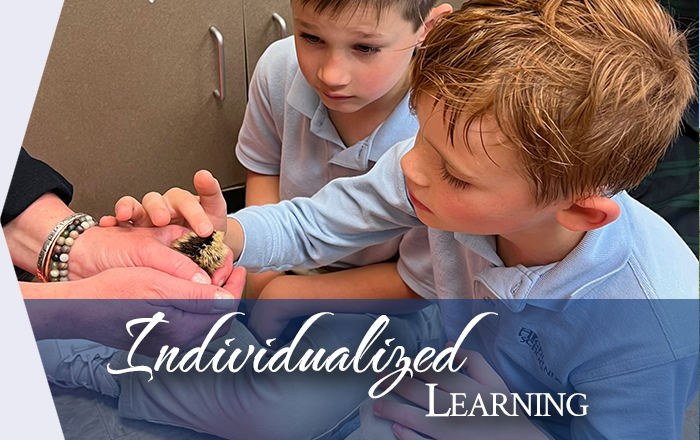

At The Highlands School, our instruction is centered around multisensory learning. This instructional pedagogy engages multiple senses simultaneously, making learning more effective and enjoyable for all students, especially those with learning differences.
Understanding Multisensory Learning
Multisensory learning incorporates visual, auditory, kinesthetic, and tactile elements into the educational experience. This means that instead of relying solely on traditional teaching methods, such as lectures and textbooks, we use a combination of sensory activities to reinforce learning. For example, a lesson on fractions might include visual aids like pie charts, hands-on activities with fraction tiles, and auditory reinforcement through rhythmic clapping to count out fractions.
Why Multisensory Learning Works
- Engages Multiple Learning Styles: Every child is unique, and so is their preferred way of learning. Some are visual learners, others auditory, and some kinesthetic. Multisensory learning addresses these diverse needs by offering various pathways to understand and retain information.
- Enhances Memory and Retention: When information is presented in multiple formats, it creates more connections in the brain, making it easier for students to recall information later. For example, spelling a word while tracing it in the sand and saying it out loud can help solidify the memory.
- Improves Focus and Attention: Engaging multiple senses keeps students active and involved in their learning. This approach reduces the likelihood of distractions and helps maintain their focus, which is especially beneficial for students with ADHD.
- Builds Confidence and Motivation: Success in learning breeds confidence. Multisensory activities often feel like play, making learning enjoyable. As students experience success through these engaging methods, their motivation and self-esteem grow.
Benefits for Children with Learning Differences
For children with learning differences such as dyslexia, dysgraphia, dyscalculia and ADHD, multisensory learning is particularly advantageous. These students often struggle with traditional teaching methods, which can lead to frustration and a lack of confidence. Multisensory learning offers an alternative that meets them where they are and provides the support they need to succeed.
- Dyslexia: Students with dyslexia benefit from multisensory phonics instruction, which combines visual, auditory, and kinesthetic-tactile pathways to enhance memory and learning of written language.
- Dysgraphia: For students with dysgraphia, activities that integrate writing with physical movement can improve their handwriting skills and ease the difficulty of expressing thoughts on paper.
- Dyscalculia: Students who have dyscalculia struggle with numbers and math because their brains do not process math-related concepts like the brains of people without this disorder. Using all the senses when learning what numbers and symbols represent can help them retain and apply this new information.
- ADHD: Multisensory learning keeps ADHD students engaged through varied activities that prevent boredom and help maintain focus. It allows for movement and activity, which are essential for these learners.
Our Commitment to Multisensory Learning
At The Highlands School, we are committed to integrating multisensory learning into our curriculum. Our teachers are trained in these techniques and continuously seek innovative ways to incorporate them into their lessons. We believe that every child has the potential to succeed, and it is our duty to provide them with the tools and environment they need to thrive.